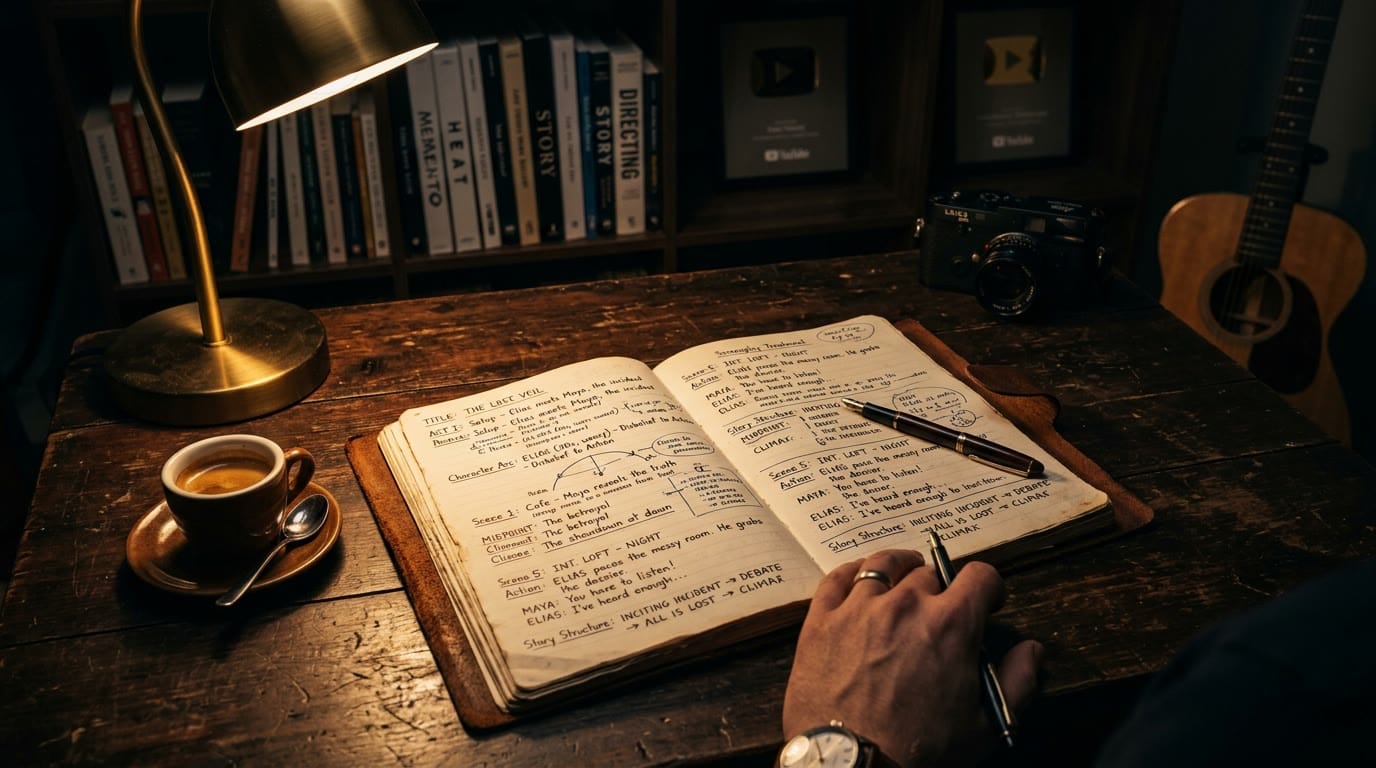
The Art of Video Editing: Pacing, Invisible Cuts & Emotional Rhythm
Key Takeaways & Executive Summary
Invisible editing guides the viewer's subconscious attention without drawing attention to the cut itself.
J-cuts, L-cuts, and match cuts establish seamless acoustic and visual flow across scenes.
Pacing is the heartbeat of video editing: knowing when to let a moment breathe and when to accelerate keeps retention high.
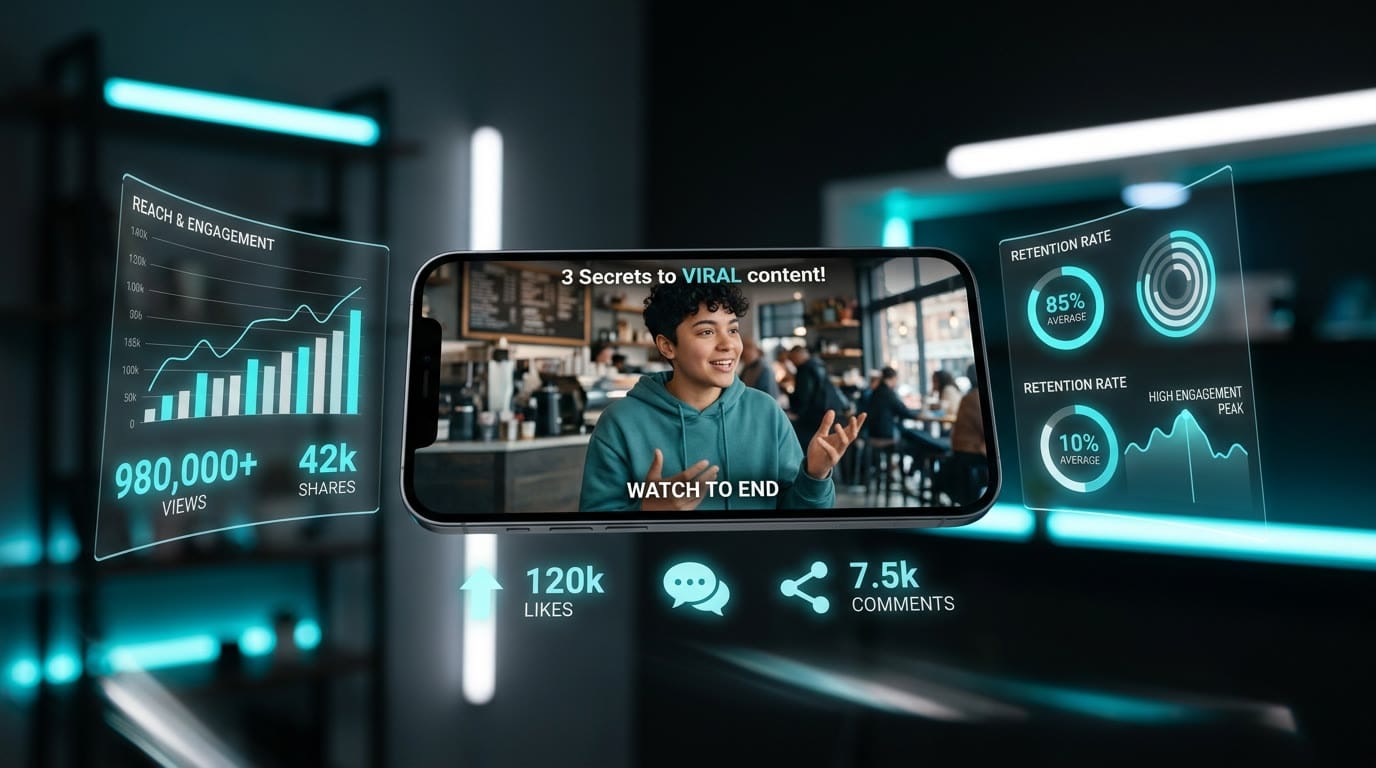
Higher audience watch time achieved by video edits with intentional rhythmic pacing and dynamic audio cuts.
"In an endless ocean of digital video content, flashy transitions and random effects quickly fatigue the viewer. What truly hooks an audience, evokes emotion, and keeps viewers glued to the screen is the timeless craft of video editing: rhythm, psychological pacing, and invisible storytelling cuts."
"Technique attracts attention; invisible, rhythmic video editing commands emotional memory."
011. The Invisible Cut: Directing the Subconscious Eye
The finest video editing is that which the viewer never notices. An invisible cut occurs on action or subject eye-trace—cutting when a speaker gestures, blinks, or turns, so the viewer's eye flows naturally into the incoming frame without visual friction.
- Cut on subject motion to mask transition seams naturally.
- Maintain consistent eye-trace alignment between incoming and outgoing shots.
- Use match cuts and graphic similarities to bridge disparate scenes seamlessly.
022. Pacing as Musical Rhythm: Breathing vs. Acceleration
Video editing shares more with music than with photography. Rapid-fire cuts build kinetic urgency, but continuous fast pacing numbs the senses. Great editors understand dynamic range: letting pivotal emotional insights linger before accelerating into the next beat.
033. Audio Dynamics: 70% of Video Editing is What You Hear
Audio carries the emotional weight of visual cinema. Overlapping audio transitions (J-cuts and L-cuts) pull the viewer forward into the next scene before the image even arrives, eliminating harsh visual jumps and creating seamless momentum.
044. Color Grading & Mood in Post-Production
Beyond cutting clips, post-production sets the atmospheric tone. Color contrast, shadow depth, and selective lighting highlights emphasize what matters most in the frame, elevating everyday footage into cinematic brand storytelling.
055. Video Editing Craft at Big Toast Company
At Big Toast Company, our post-production team treats video editing as an art form. From documentary feature edits and commercial campaigns to founder stories, we craft every frame with obsessive precision to ensure your message commands total focus.
Conclusion & Next Steps
Mastering video editing is not about knowing software shortcuts—it is about mastering human psychology, visual rhythm, and the emotional resonance of the cut.
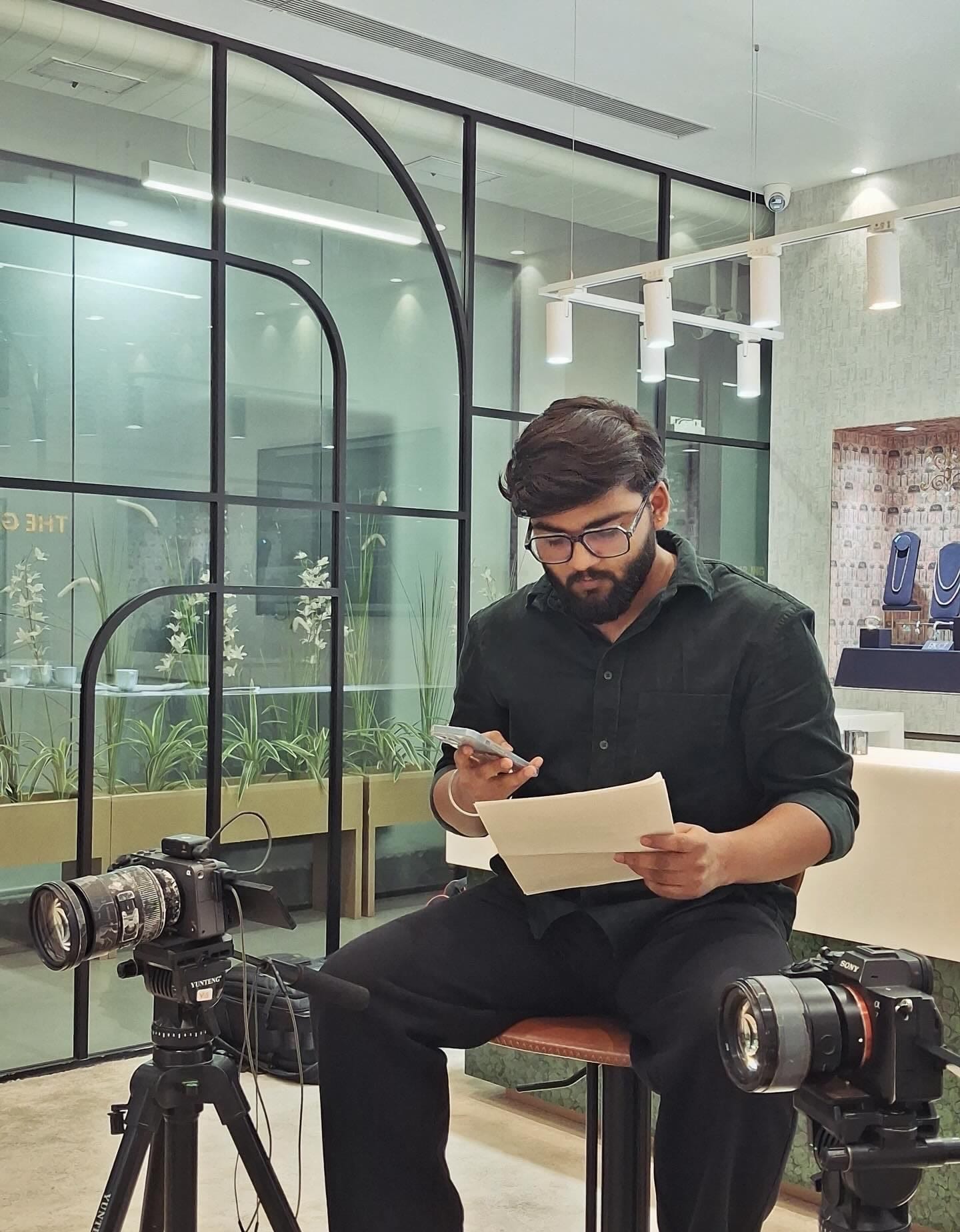
Himanshu Singh
Founder & Creative Director, Big Toast Company
Himanshu is the Founder & Creative Director of Big Toast Company, shaping narrative structures, cinematic pacing, and story-first video edits.